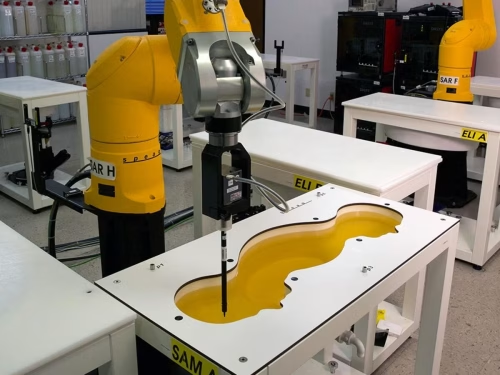
SAR testing is an electronic measuring instrument used to evaluate the effects of electromagnetic radiation on the human body of wireless communication products. SAR (Specific Absorption Rate) calculates the electromagnetic energy absorbed by human tissues by measuring the strength of the electric field or the rate of temperature change, and international standards such as the US FCC limit is 1.6W/kg and the European ICNIRP limit is 2.0W/kg. The system is mainly composed of a human model, an electronic measuring instrument, a scanning positioning system and a fixture. The main technical indicators include an uncertainty of 22%, the test frequency band covers 600MHz to 6GHz, supports a variety of communication standard tests (such as GSM, WCDMA, WIFI, etc.), and is used for mobile phone performance testing, CE/FCC certification, etc 。 SAR test system belongs to the communication measurement instrument in electronic measuring instruments, mainly used for wireless communication measurement, such as SAR testing, HAC and HATS testing of mobile terminal products, suitable for R&D and CE, FCC and other testing certifications.
With the development of information technology and manufacturing, the public is also increasingly concerned about the impact of electromagnetic radiation on human health while enjoying the various conveniences brought by wireless communication equipment. Due to the widespread use of radio equipment (such as mobile phones) around the world, more and more government departments, telecommunications regulatory bodies, etc. require electromagnetic wave radiation to be reduced to an appropriate level. In order to meet the needs of mobile phone manufacturers, the laboratory has introduced a mobile phone electromagnetic wave energy absorption ratio (SAR) test system. This test system fully complies with the SAR standards of IEEE/IEC/EN and the American ANSI, and has the characteristics of fast, accurate, safe and efficient, and is also the most used and widely recognized SAR test system in top international laboratories. The test frequency range can reach 6GHz, and it can perform certification tests on various types of products such as GSM, CDMA, WLAN (not limited to mobile phones).
Since governments have always attached great importance to this indicator of wireless communication terminals; Europe, the United States, Australia, New Zealand, Japan, South Korea and Taiwan have formulated relevant directives, technical regulations and mandatory standards for the management of RF and microwave radiation in their regions or countries. Many countries, including China, have required mobile end users to label SAR-related technical indicators and user guidelines in product packaging and/or instructions.